What's excavator hydraulic motor?
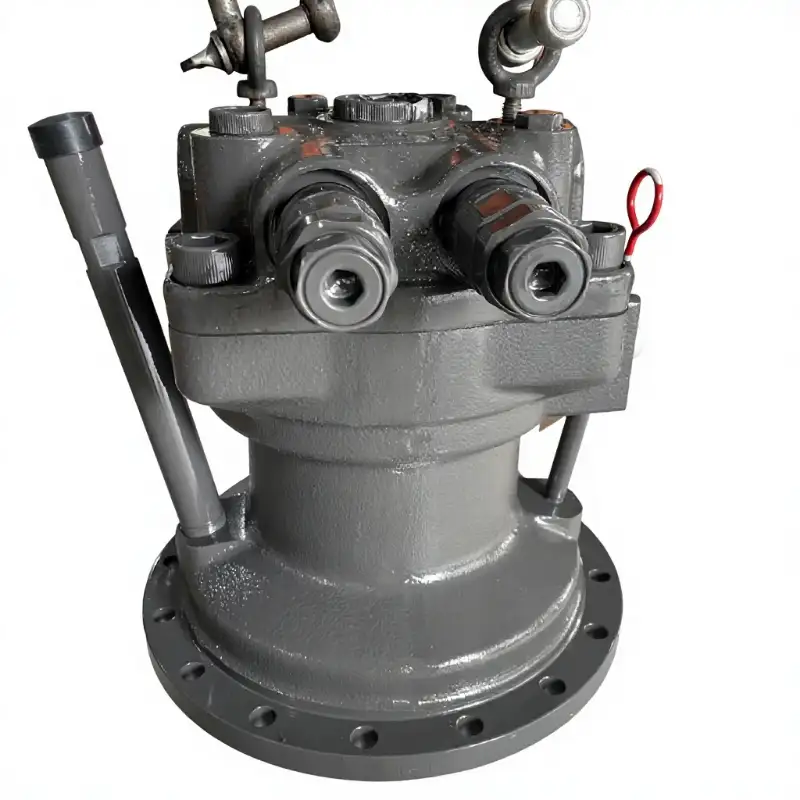
If an excavator is analogized to a steel behemoth, the hydraulic motor serves as a pivotal "muscle" within its core system. However, not all subsystems rely on hydraulic motors for propulsion. While the engine functions as a fuel-powered energy generator, the primary application domain for hydraulic motors lies in driving the undercarriage (tracks or wheels), the superstructure slew mechanism (360° rotation), and the working equipment actuators (hydraulic cylinders for the boom, dipper stick, and bucket). These components necessitate precise regulation of torque and velocity; by converting hydraulic pressure into rotational mechanical power, hydraulic motors enable the excavator to execute complex operational tasks such as excavation, loading, and maneuvering.
How's excavator hydraulic motor working?
High-pressure hydraulic oil enters the motor through an inlet port. The oil acts on pistons or vanes inside the motor, creating a force that rotates the cylinder block or rotor. The rotation is transmitted to the output shaft. A valve plate controls oil inlet and outlet timing. In an axial piston motor, the swashplate angle determines displacement: a larger angle produces higher torque and lower speed; a smaller angle produces lower torque and higher speed. A control valve or regulator adjusts displacement based on load demand.
What's hydraulic motor repair kits or components?
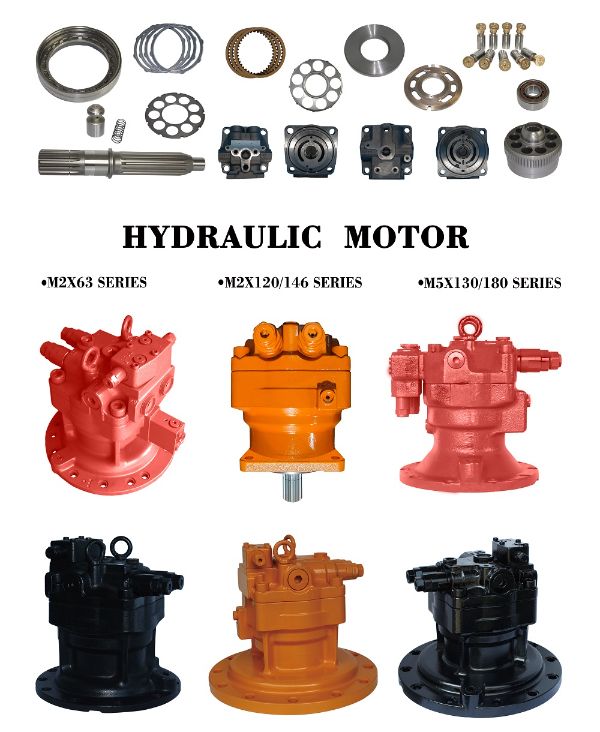
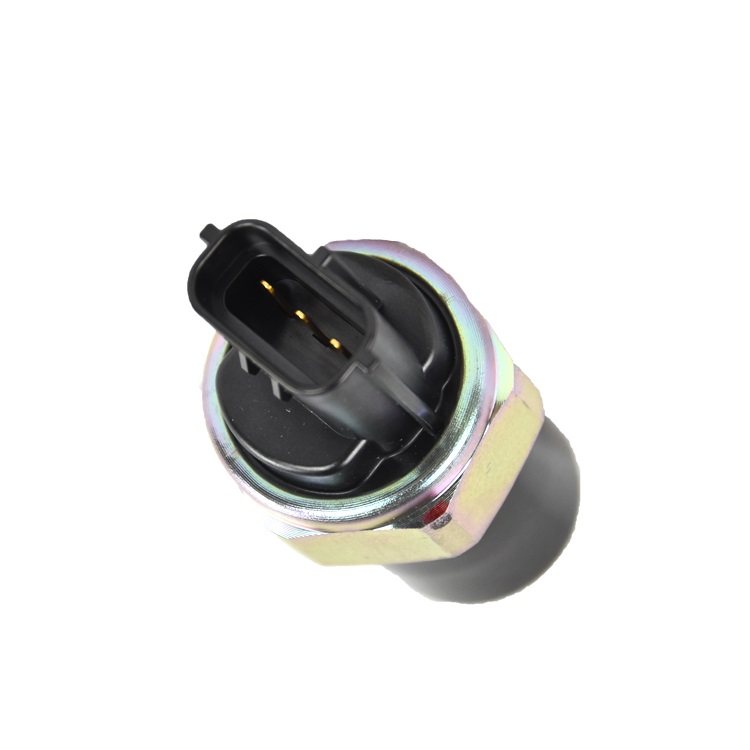
Excavator hydraulic motor mainly include: Cylinder block, pistons, slippers, swash plate, valve plate, output shaft, bearings, housing, control valve, regulator, counterbalance valve, relief valve, parking brake, reduction gearbox, speed sensor, and solenoid valve.
What is core series of hydraulic motor?
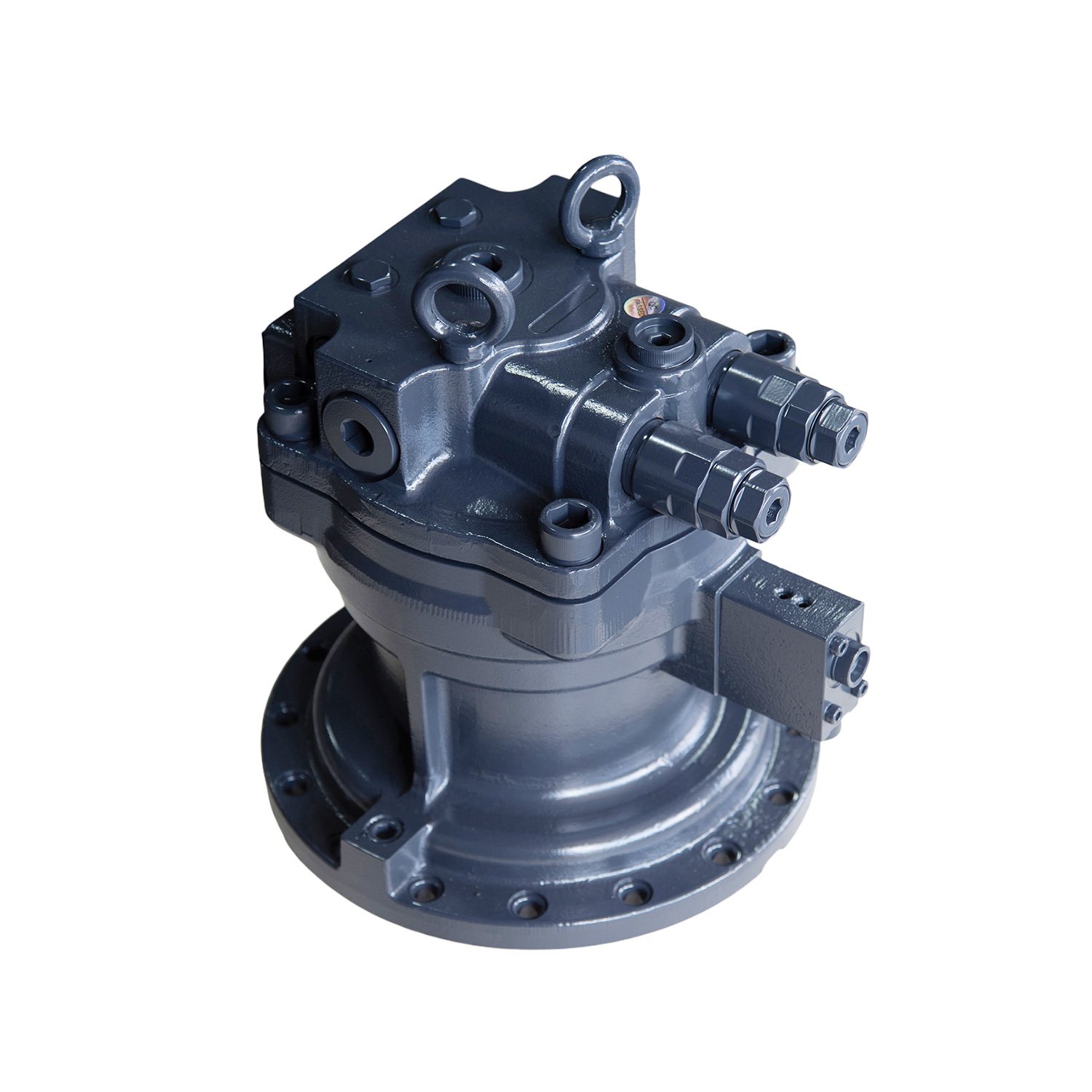
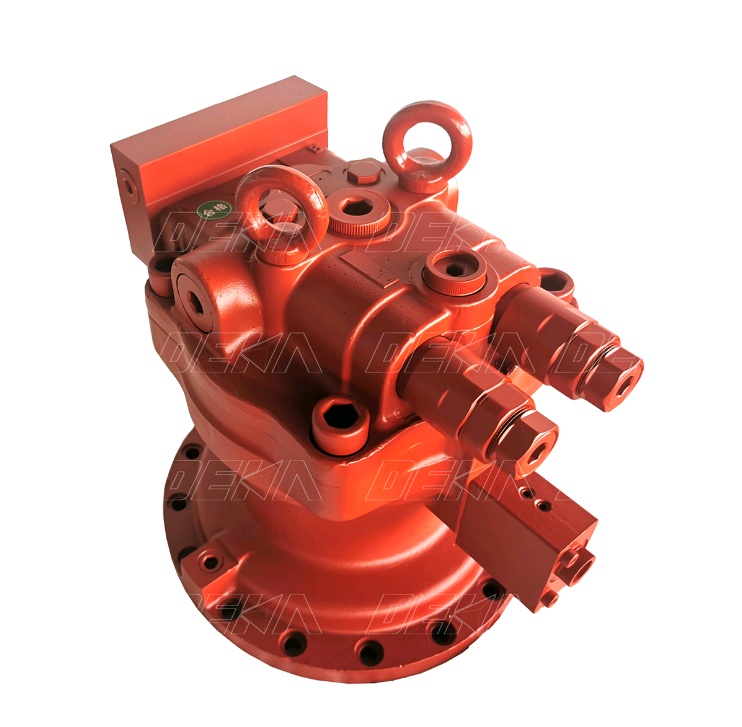
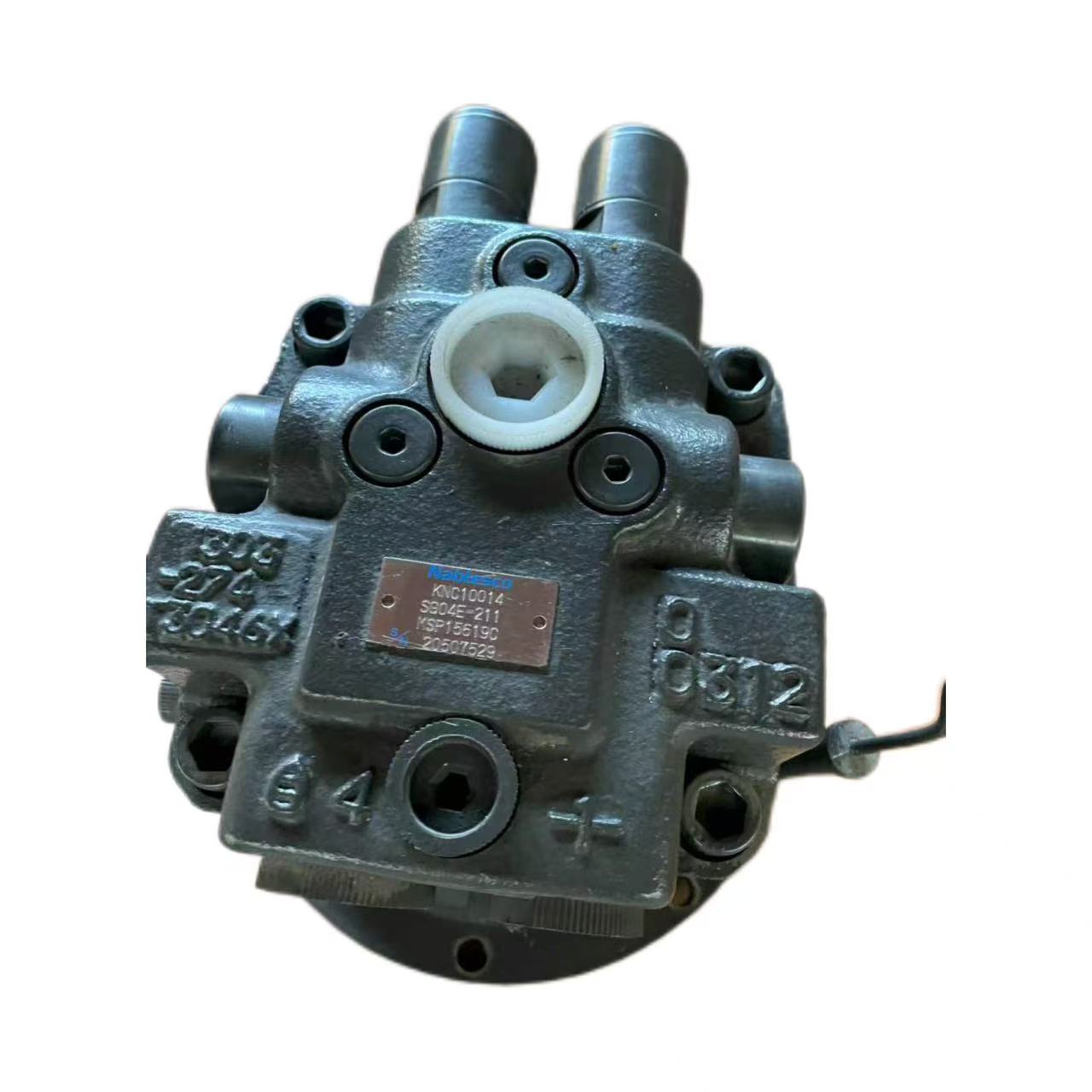
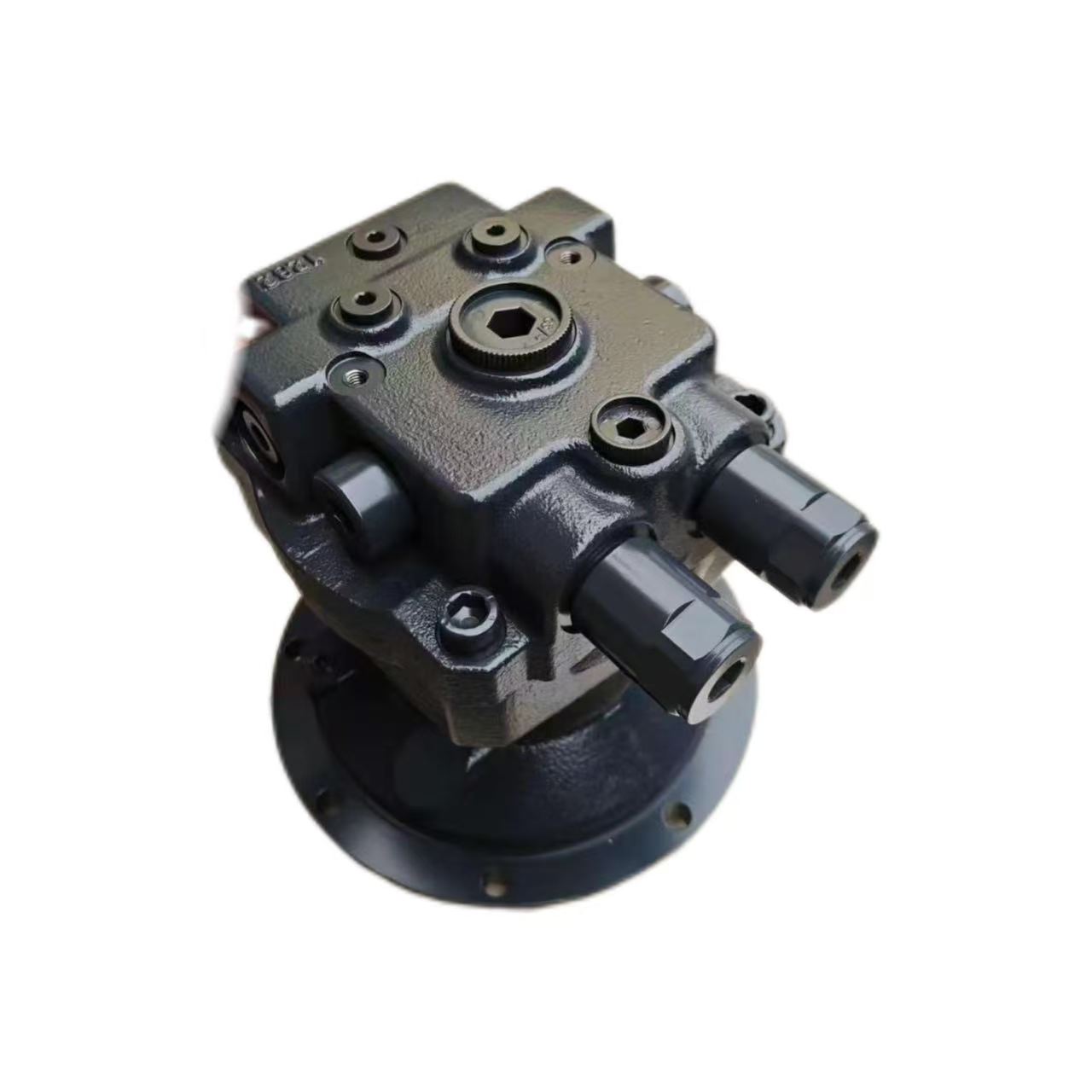
Swing motor
1. Kawasaki swing motor:
-
M2X series: M2X63, M2X96, M2X120, M2X146, M2X150, M2X170, M2X210. For example, M2X146 is often used for Hitachi EX200-5, and M2X210 is used for EX270/280/300.
-
M5X series: M5X130, M5X160, M5X180. For example, M5X130 is used for Caterpillar 320C, and M5X180 is used for Shengang 350-8.
2. Nabtesco swing motor: SG02H、SG04G、SG06G、SG08G、SG25E以及CS04、CS05A、CS09B
3. Rexroth swing motor: GFB series
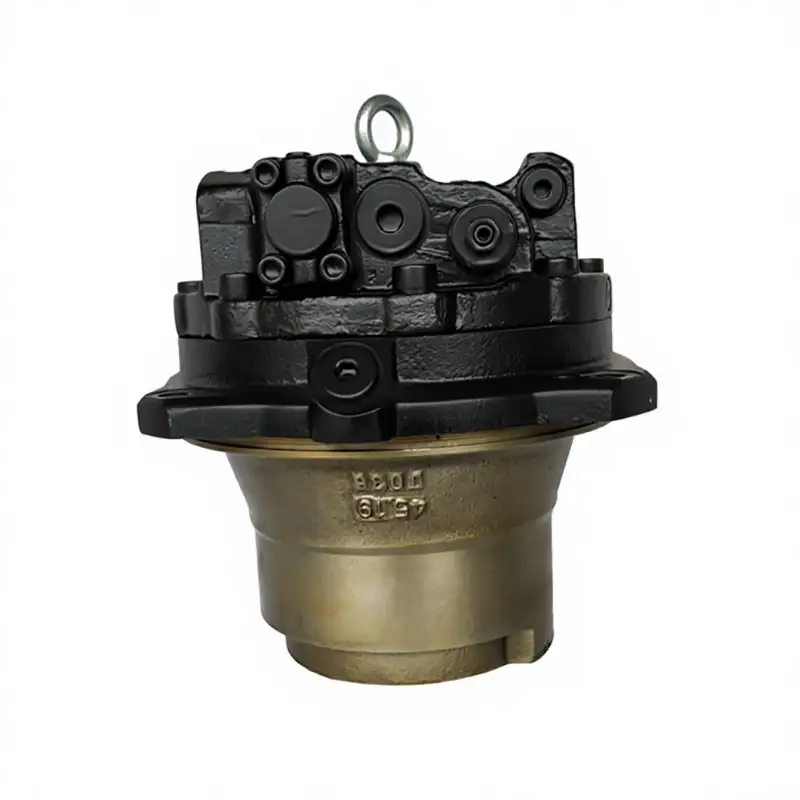
Travel motor
1. Nabtesco travel motor: GM05VL, GM06VL, GM07VA, GM08, GM09, GM10, GM17, GM18, GM21, GM23, GM30H, GM35VA/VL, GM38VB, GM60, GM70, etc.
2. Kawasaki travel motor:
-
MAG-12V/16V/18V: Suitable for micro to small excavators (such as Yoma VIO series).
-
MAG-26VP/33VP: SUITABLE FOR SMALL TO MEDIUM-SIZED EXCAVATORS.
-
MAG-50VP-1100: specially designed for 7-9-ton excavators, with an output torque of about 10 kN·m.
-
MAG-50~230 series: standard equipped with buffer relief valve and parking brake.
3. Rexroth travel motor: A2FE, A6VE, GFT series