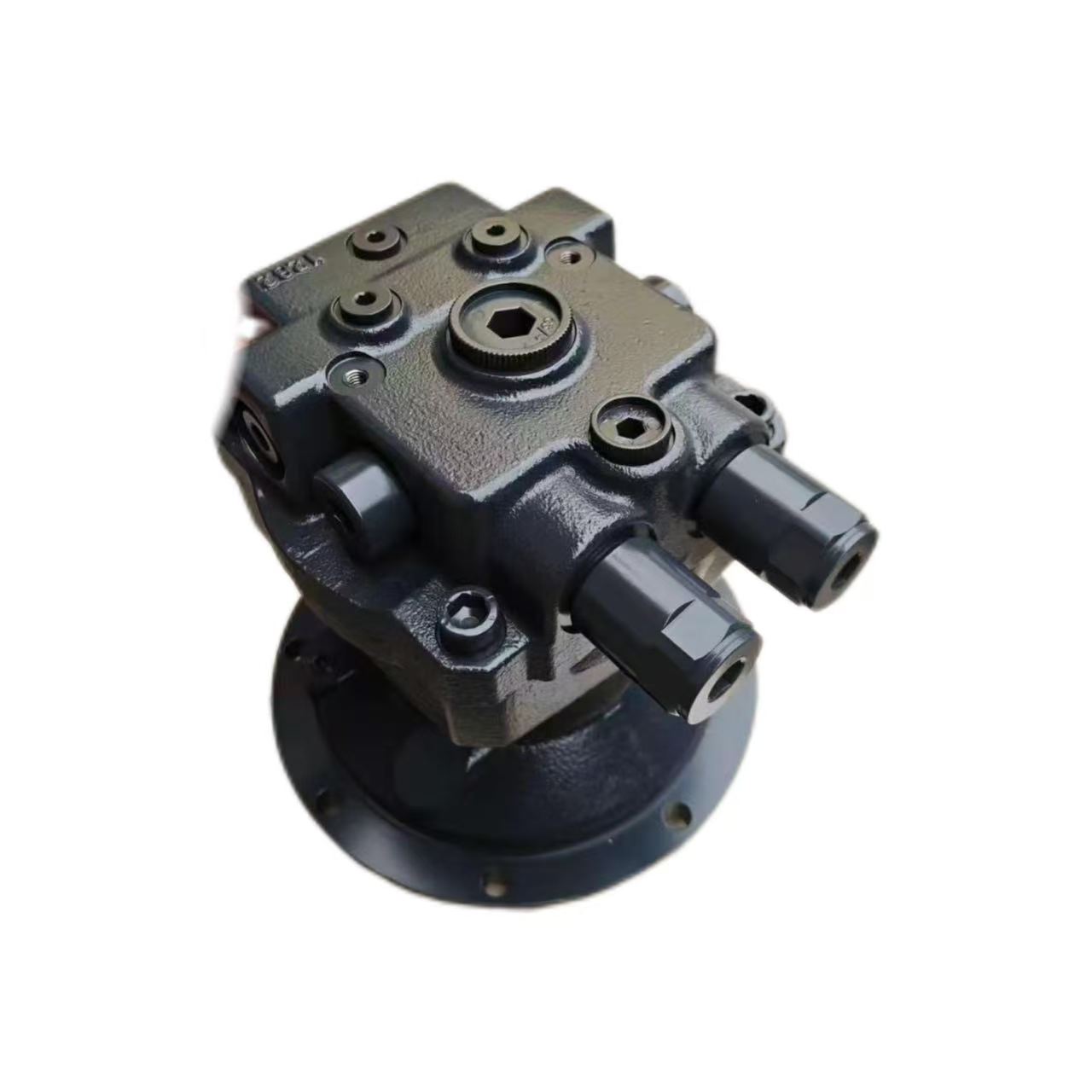
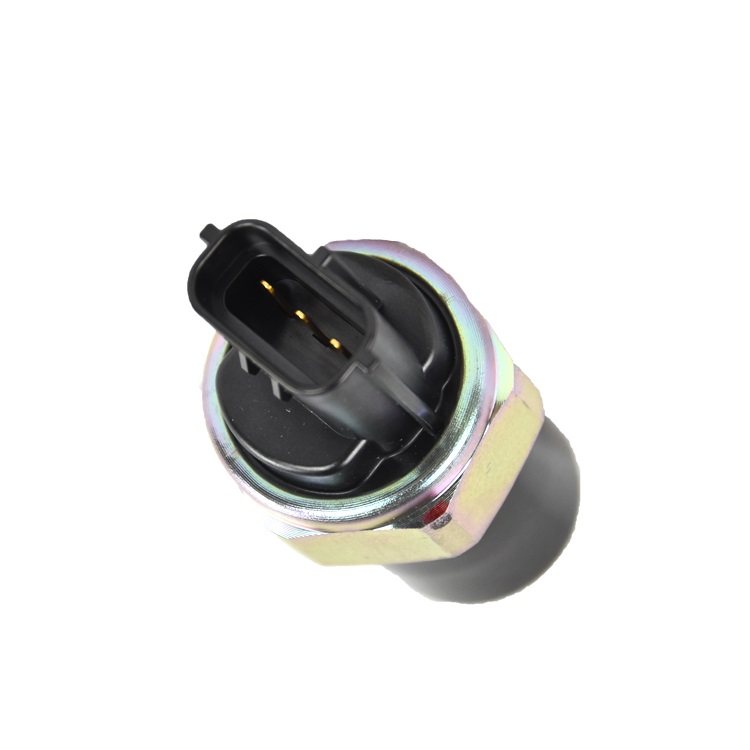
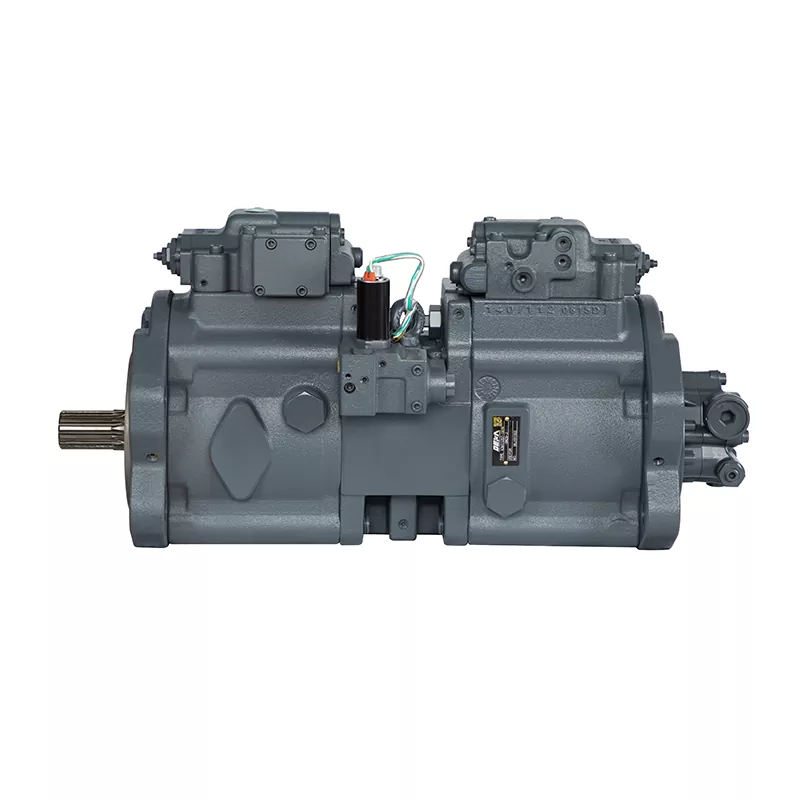
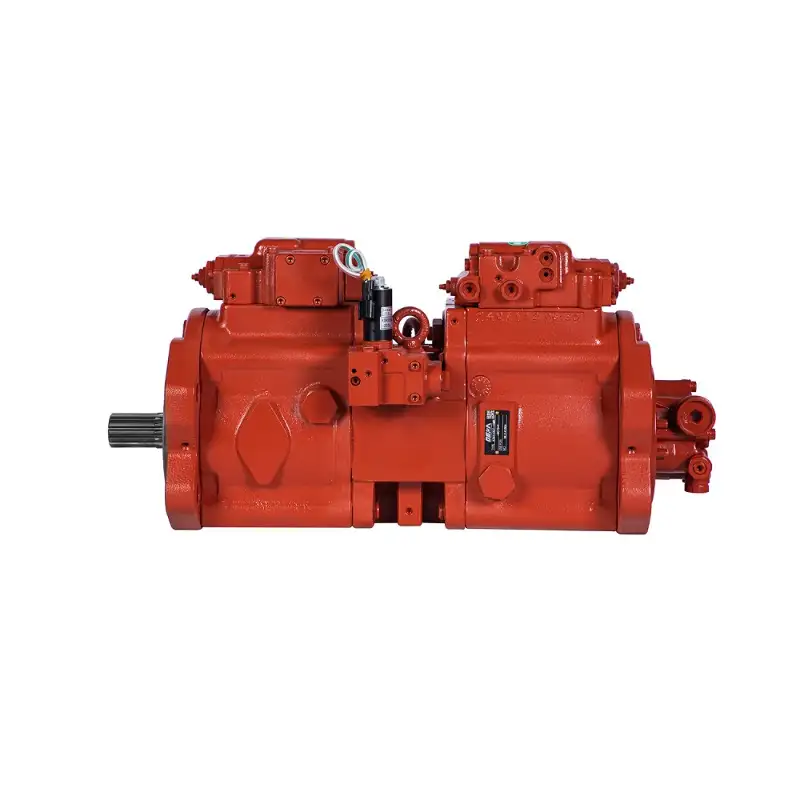
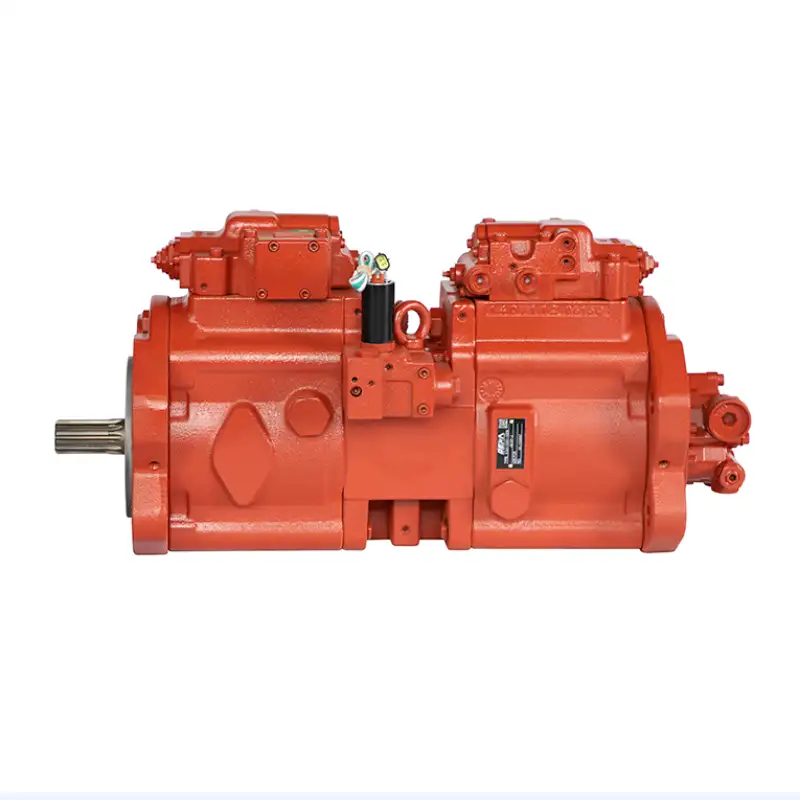
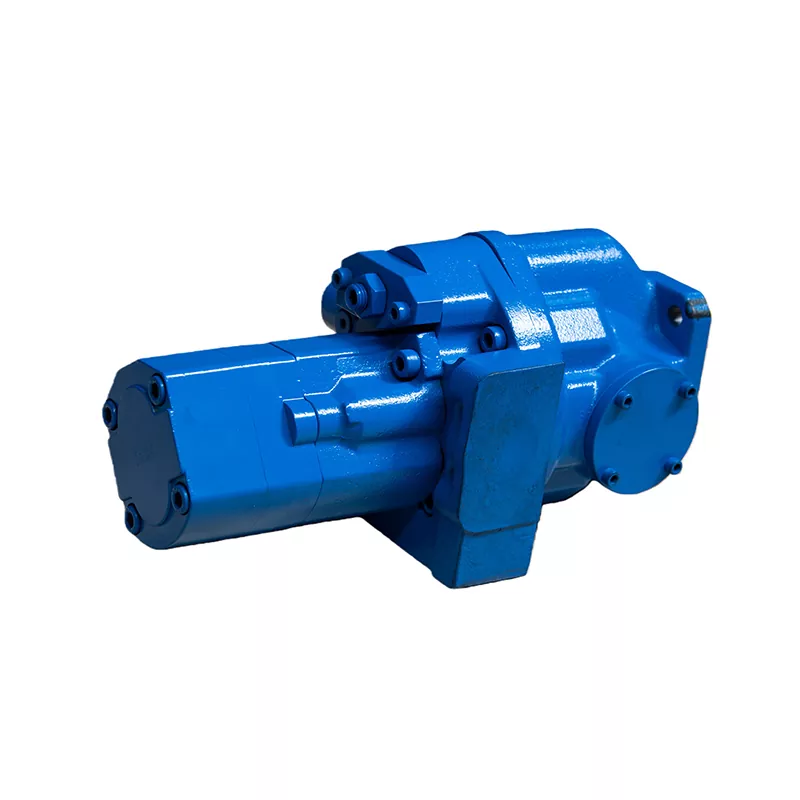
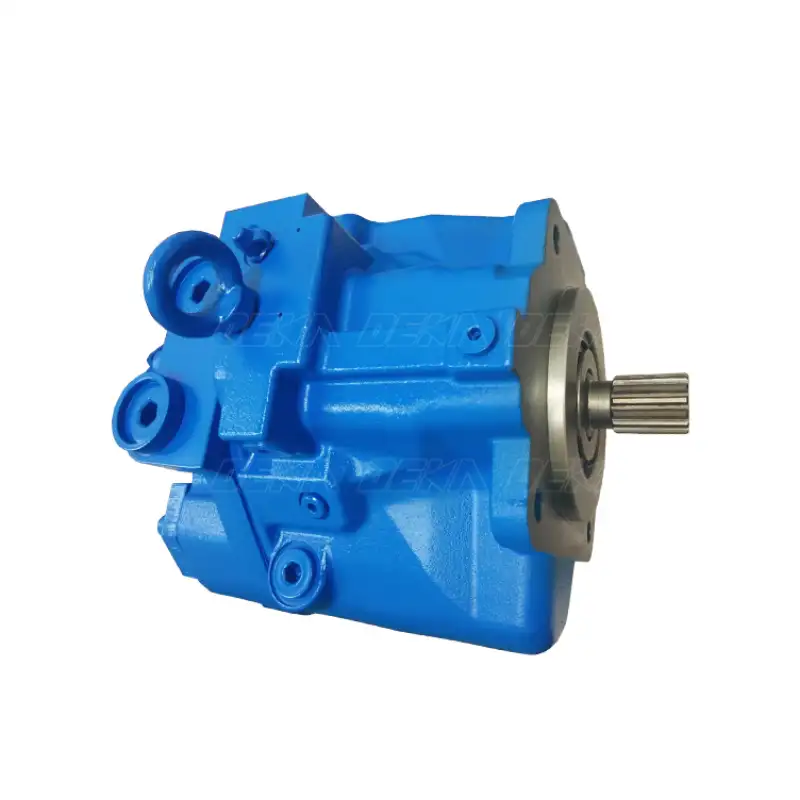
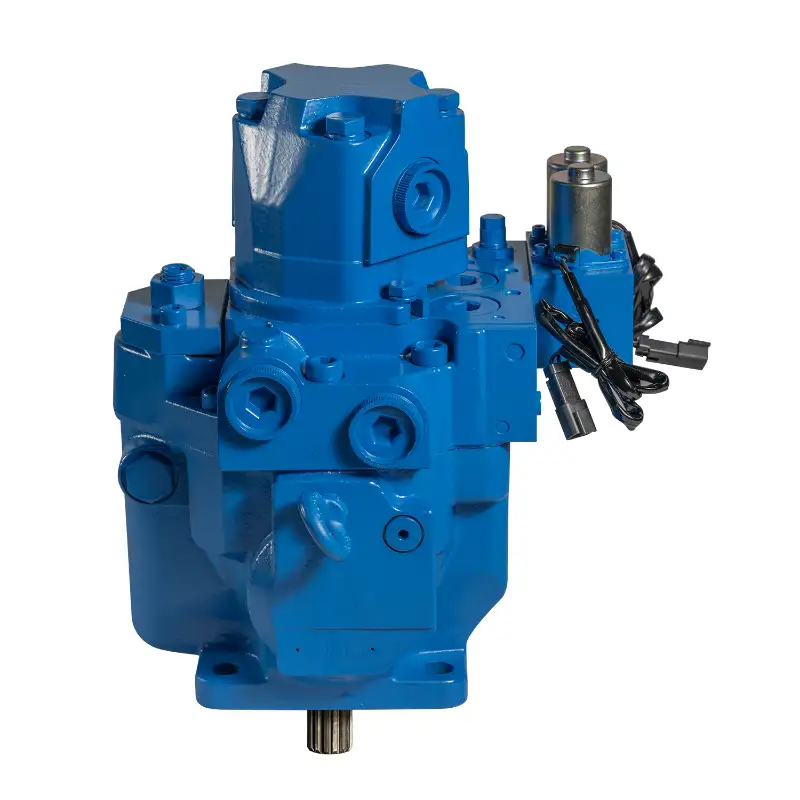
What's excavator hydraulic pump?
Excavator hydraulic pump also called hydraulic main pump or main pump. It is the heart of excavator's hydraulic system. Hydraulic system of an excavator is a combined structure that connects various hydraulic components through pipelines according to the transmission requirements of the excavator's working device and each mechanism. Its function is to use oil as the working medium, and utilize the hydraulic pump to convert the mechanical energy of the engine into hydraulic energy and transmit it. Then, through hydraulic cylinders and hydraulic motors and other executive components, the hydraulic energy is converted into mechanical energy to achieve various movements of the excavator.
How's excavator hydraulic pump working?
The engine drives the pump shaft. Inside an axial piston pump, pistons reciprocate in a cylinder block. The swash plate angle determines piston stroke and therefore pump displacement. A regulator adjusts the swash plate based on pressure, flow, or electronic signals from the ECU. Oil is drawn from the hydraulic tank, pressurized, and delivered to the main control valve.
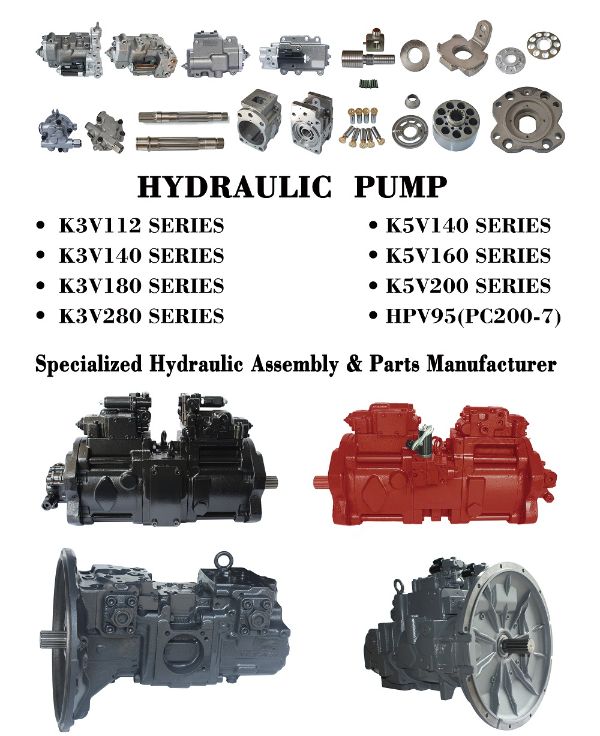
What series hydraulic pump we have?
|
Brand
|
Key series
|
displacement range
|
typical application
|
|
Kawasaki
|
K3V/K5V/K7V
|
60-280 cm3/rev
|
medium/large excavator (standard)
|
|
Rexroth
|
A8VO, AP2D, A10VO
|
12-200 cm3/rev
|
mini to large excavators (CAT, VOLVO, Hyundai)
|
|
Komatsu
|
HPV, HPD, LPD
|
35-165+ cm3/rev
|
PC series excavators
|
|
Hitachi
|
HPV0911226/118/145
|
91-145 cm3/rev
|
EX/ZX series excavators
|
|
KYB
|
PSVL, PSVD2
|
42-84 cm3/rev
|
compact/mini excavators
|
|
CAT
|
proprietary part numbers
|
varies by model
|
CAT excavators
|
How to purchase hydraulic pump from market?
The principle for selecting a hydraulic pump is as follows: Based on the operating conditions of the main machine, the power size, and the requirements of the system for working performance, the type of the hydraulic pump should be determined first. Then, according to the required pressure and flow rate of the system, the specifications and models of the hydraulic pump should be determined.
What's hydraulic pump application precautions?
-
Try to avoid starting the hydraulic pump with load;
-
When connecting the piping, be careful not to cause excessive suction resistance for the hydraulic pump;
-
The built-in relief valve in the hydraulic pump should not be used for system pressure regulation, but only as a safety valve;
-
Do not connect the return pipes of several pumps into a single pipe of the same diameter before leading them to the oil tank;
-
Do not connect the return pipe of the hydraulic pump to the main return pipe of the system;
-
Do not use soft rubber hoses or plastic hoses as the suction pipe for the pump;
-
Do not place the highest part of the oil pipe connected to the oil outlet of the pump body lower than the pump's axis;
-
The installation position of the plunger pump should be lower than the oil tank liquid level;
-
The outlet of the main relief valve of the system and the external return pipe of the hydraulic pump should not be directly connected to the suction pipe of the hydraulic pump;
-
It is prohibited to have an excessive difference in coaxiality between the hydraulic pump shaft and the prime mover shaft after assembly.